

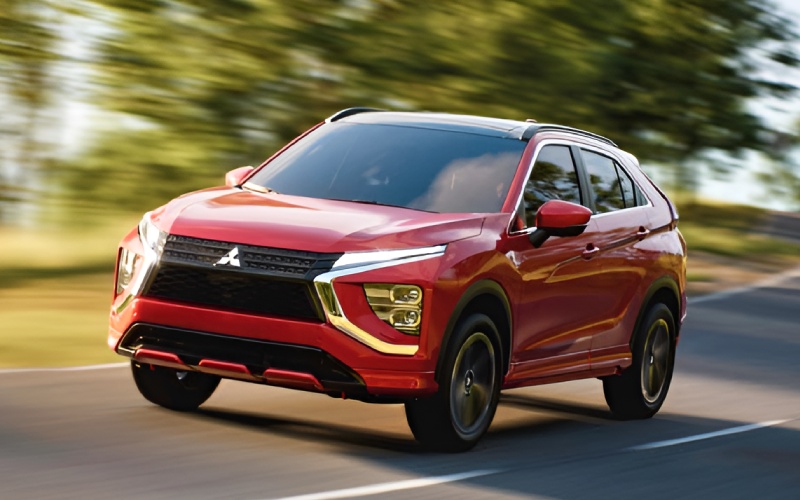
Atlantic City Mitsubishi - Which Small SUV Delivers Better All-Weather Confidence around Philadelphia, PA — S-AWC on the 2026 Eclipse Cross or HTRAC on the 2026 Kona?
Shoppers often ask one core question when they narrow their comparison to these two subcompact SUVs: which system feels more confident when weather turns messy or traction is limited? Both models bring sophisticated engineering to the table, yet their philosophies differ. The Eclipse Cross builds Super-All Wheel Control into every trim, making traction management a defining trait from day one. Kona’s HTRAC AWD is thoughtfully executed but is offered as an available feature tied to trims and packages. For drivers navigating rain-slicked city streets, slushy shoulders, or gravel-strewn driveways, standardization matters because it guarantees that the capability you test-drive is the capability you’ll rely on every mile. That priority on integrated stability is why many commuters and weekend explorers gravitate toward the Eclipse Cross.
Let’s look beneath the surface. S-AWC is more than “power to four wheels.” It integrates traction and yaw control with brake-force distribution to help the vehicle track straight and true while maximizing available grip. When you arc through a wet on-ramp or take a quick lane change on uneven pavement, S-AWC works in the background, harmonizing torque and selective braking to keep the SUV composed. HTRAC AWD is capable and confidence-inspiring, and Kona adds valuable driver-assistance tech across the lineup, yet the emphasis in Eclipse Cross on all-conditions control gives drivers a tangible sense of calm in the seat. That calm is reinforced by available features like the Multi-View Camera System, which turns narrow streets, parallel spots, and tight parking decks into non-events.
What should you consider on your test drive?
- System philosophy: S-AWC is standard and integrated across all trims; HTRAC AWD is available based on configuration.
- Response feel: Look for smooth, early torque delivery that settles the vehicle as you pull away on wet surfaces.
- Cornering stability: Take a cloverleaf or highway merge at typical speed and note body control as the pavement changes.
- Assist synergy: Pair traction with camera tech and blind-spot alerts to see how systems reduce workload in busy areas.
Now layer in everyday conveniences. The Eclipse Cross offers an available panoramic roof for an airy cabin, leather-appointed seating surfaces on higher trims for long-haul comfort, and a handsfree power tailgate that keeps life moving when your hands are full. Kona counters with a wide sunroof, rich screen displays, and useful features like a hands-free smart liftgate on top trims. For many buyers, the feel of the chassis under stress and the assurance of standard traction tip the scales toward Eclipse Cross. Reliability is not only about parts lasting; it is about the vehicle responding the same way, every day, regardless of weather.
For drivers who spend time in tight downtown garages or navigate congested neighborhoods, pay attention to cameras and parking aids. Eclipse Cross’s available Multi-View Camera System brings a top-down perspective that simplifies curbs, pillars, and parallel spots. Kona’s Surround View Monitor does the same at its upper trim levels. Feature parity can be close, but availability and packaging can change the value equation depending on how you build your vehicle.
Ultimately, both systems will get you through a rainstorm. The difference is how much composure you feel in the wheel and how consistently that composure shows up across the lineup. If traction assurance is a must-have, we suggest making S-AWC the baseline and comparing from there. Take both SUVs on the same test loop with a mix of surfaces, then trust what you feel.
When you are ready to explore trims and options with a team that listens, visit Atlantic City Mitsubishi, serving Glassboro, NJ, Toms River, NJ, and Philadelphia, PA. Our product specialists will walk you through features in a structured, side-by-side format and map recommendations to your roads, routines, and weekend plans. Bring your questions, and we will bring a clear, practical plan for choosing with confidence.
Frequently Asked Questions:
Is S-AWC always active, or do I need to turn it on?
S-AWC is always monitoring traction and vehicle behavior. You can select drive modes as equipped, but the system’s integrated control logic is working continuously in the background.
How should I test the systems during a test drive?
Include a wet or uneven surface if possible. From a stop, feel for clean, slip-free takeoff. On a ramp, sense how the SUV settles mid-corner. In a parking lot, check camera clarity and steering precision at low speeds.
Request more 2026 Mitsubishi Eclipse Cross information
Categorías:
Mitsubishi Eclipse Cross